Hiring a contractor in Massachusetts: 8 checks before you sign
Registration, licenses, the written contract, the deposit and who pulls the permit — what Massachusetts law expects, in plain English.
 Mateus Magno
Licensed Construction Supervisor · October 17, 2026 · 3 min read
Most renovation horror stories start the same way: a handshake, a big deposit, and no paperwork. Massachusetts has clear rules that protect homeowners — but only if you know to ask. Here are the eight checks I'd run before signing with anyone, including me.
1. Check the Home Improvement Contractor (HIC) registration
Contractors doing most home-improvement work on existing owner-occupied homes of one to four units must be registered with the state under M.G.L. c. 142A. It takes one minute to look up a registration at mass.gov/check-a-license. Magno & Co is HIC #220484.
2. Ask who holds the Construction Supervisor License
Most permitted building work on homes in Massachusetts — structural changes, additions, many renovations — must be supervised by someone holding a Construction Supervisor License (CSL). Ask for the name and number, and check it the same way. Mine is CS-123658, unrestricted.
3. Get it in writing
For home-improvement work over $1,000, the law requires a written contract, and it lists what that contract has to include — for example the names and addresses of both parties, the contractor's registration number, start and completion dates, a detailed description of the work, the total price and the payment schedule. If the contract is one paragraph long, that's your sign.
4. Watch the deposit
Under c. 142A, a contractor generally can't require more than one-third of the total price up front — or the actual cost of special-order, custom-made materials, if that's greater. A request for half or more on day one is a red flag.
5. The contractor should pull the permit
If a contractor asks you to pull the building permit as the homeowner, think twice. Under Massachusetts rules, homeowners who pull their own permit generally can't collect from the state's Home Improvement Contractor Guaranty Fund for that job — the safety net meant to cover losses from registered contractors. A licensed professional should pull the permit and stand behind the work.
6. Ask about lead paint if your home was built before 1978
Renovation work that disturbs painted surfaces in pre-1978 homes must follow lead-safe rules and be done by a certified firm and renovator. Ask to see the certification. (More in our lead-safe guide.)
7. See finished work — and talk to past clients
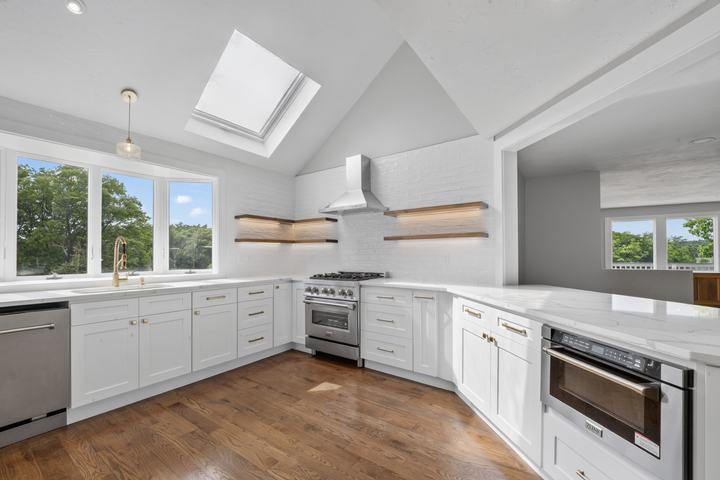
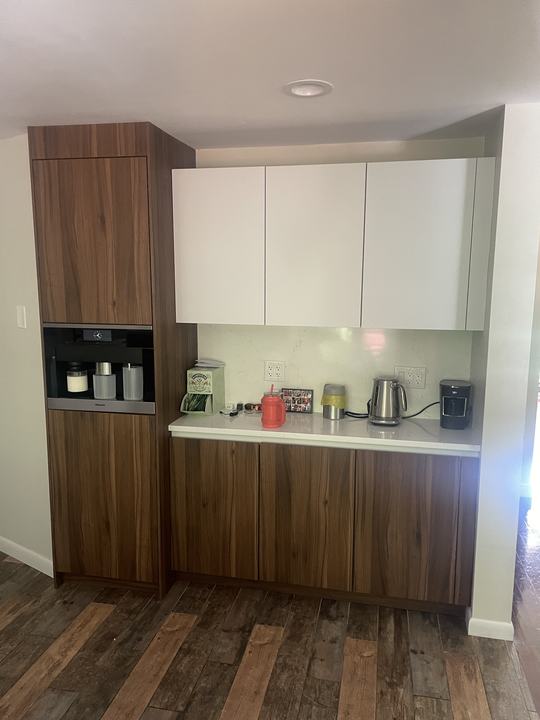
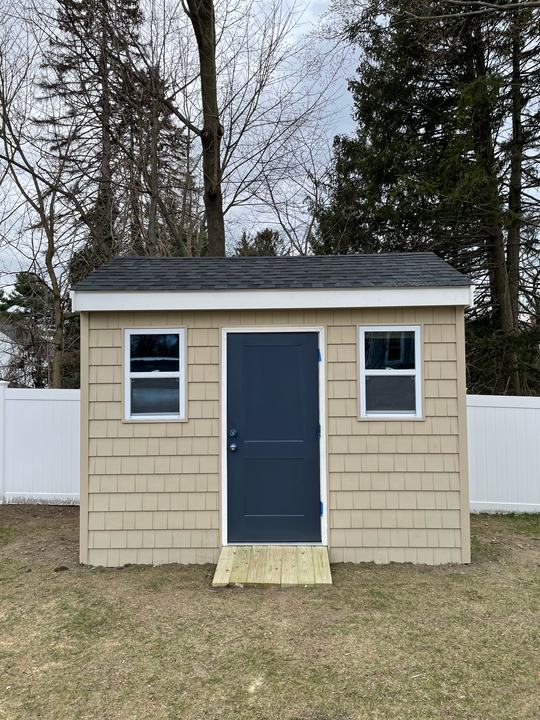
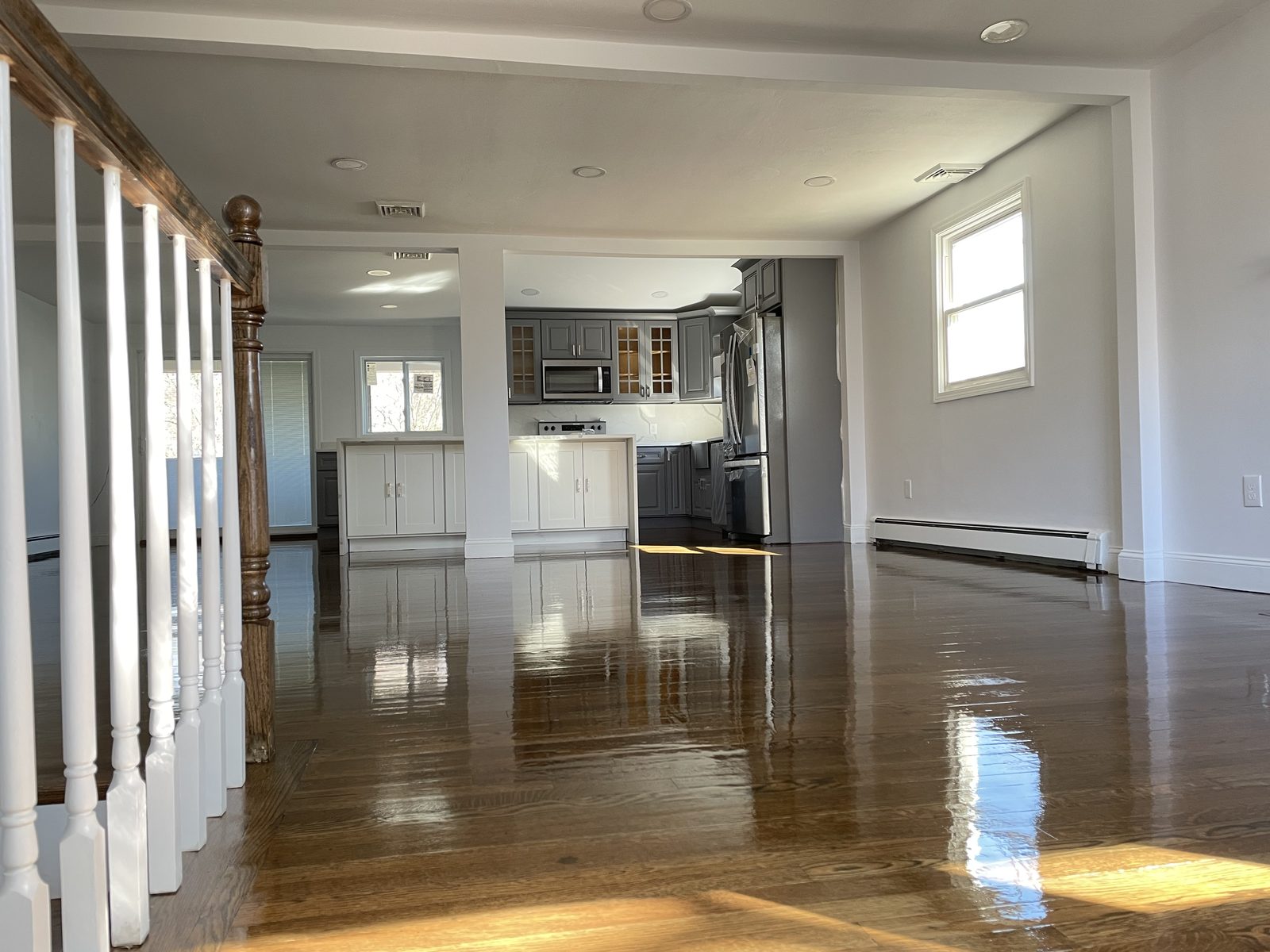
Ask for projects like yours, and ask for photos of the finished result, not just demolition. Then call one or two past clients and ask the only question that matters: would you hire them again?
8. Agree on how changes are handled
Every project has surprises. Before you sign, agree that every change gets a written change order with its cost and schedule impact — approved by you before the work happens.
Want a second set of eyes on a proposal you already received? Send it over — I'll tell you honestly what I see.
Mateus Magno is the founder of Magno & Co — a licensed Massachusetts Construction Supervisor (CS-123658), registered Home Improvement Contractor (HIC #220484) and certified Lead-Safe Renovator Supervisor who has renovated and managed over $3 million in projects across Greater Boston.
More about Mateus →